
Our Location
The Lismore Clinic, Ballyrafter,
Lismore, Co Waterford.
Give us a Call
058 53200
087 9345910
Send us a Message
info@herbalmedicine.ie
Consultations
By appointment only

Festival of Food

For the past 20 years or so, concern has been growing about the quality of food available to consumers, and the impact that the food we buy and eat has on both our health and on the health of the environment.
Much of the fruit on supermarket shelves has been sprayed with chemicals that slow down the ripening process, and by the time the fruit reaches the supermarket shelf it may already be several months old. In addition to the long-term effects of these chemicals on the body, this also affects the nutrient content of the fruit. Vegetables such as potatoes may also be treated with chemicals to prevent them from sprouting in the bag.

Virtually all milk sold in Ireland, with a few rare exceptions, is now pasteurized and homogenized. I suspect it is no coincidence that the rate of dairy intolerance (which now affects an unprecedented number of infants, as well as older children and adults), has dramatically increased with the growing consumption of homogenized milk products. Likewise, the growing incidence of gluten-intolerance and celiac disease seems to echo the increasing popularity of bread made using industrial processes and chemical flour improvers, which lower the cost of production and extend the shelf life of the finished product.

However, of greatest concern is the result of a study conducted by the World Cancer Research Fund, which found that consuming processed meat significantly increases the risk of bowel cancer, which is the second most common cancer in Ireland. The increased risk is thought to be mainly due to the various additives such as nitrites which make the meat look more pink.

In response to these issues, a number of groups, such as Slow Food Ireland and the Farmers Market movement, have sprung up to promote the availability of good food, which is produced as locally and as naturally as possible, and which pays a fair price to the producer while still being affordable to the consumer. Fresh, unprocessed, meat, chicken and fish bought from local suppliers benefits your health and well-being, as well as supporting local businesses. Likewise, eating plenty of vegetables which are locally-produced, fresh, unprocessed and preferably organic is one of the best things you can do for your health and for the local economy.

This weekend, Dungarvan will once again host the very popular “West Waterford Festival of Food” from Thursday 14th to Sunday 17th April. Its ethos is one of supporting local food producers, and there is a strong emphasis on natural food and healthy eating. As well as the festival market, fine dining experiences, and cookery demonstrations by well-known chefs, the festival programme includes various nutrition and health seminars at the ‘Health Hub’, a brand new addition to the festival, located in Friary Steet, just next to the Town Hall Theatre.

The Health Hub will be showcasing superfoods, fermented foods, and organic wine, and discussing various health topics such as nutrition for pregnancy and infancy, health food fads, and GMO. On Saturday 16th April at 11.30am, I will be hosting an event entitled “The Spice of Life” at the Health Hub, which will look at how to use common culinary herbs and spices for health and healing. Tickets for this event are €5, available for the festival of food website http://www.westwaterfordfestivaloffood.com

Good News for Chocoholics

It’s almost Easter and many children and adults alike are looking forward to a great excuse to indulge.  Chocolate is usually thought of as a tempting but very unhealthy treat, but is it really as bad as all that?
Chocolate is made from the beans of the cocoa plant (Theobroma cacao).  These contain a group of compounds called flavonoids, which act as antioxidants, helping to prevent cell damage, and thus providing a degree of protection against cardiovascular disease. A study published in the European Heart Journal found that consuming chocolate lowered blood pressure and helped to reduce the risk of heart attack and stroke.

Chocolate is also very rich in magnesium.  This important mineral increases energy levels, helps to prevent heart irregularities and muscle cramps, assists in calcium absorption, and is essential for healthy nervous system functioning.  People who experience chocolate cravings often find that these can be reduced by eating other magnesium-rich foods (such as whole grains, nuts and dark green leafy vegetables) or by taking a magnesium supplement.

Cocoa beans contain a fat known as cocoa butter.  This can be used as a soothing skin moisturizer, which is effective in preventing wrinkles and stretch marks.  It melts just below body temperature and is therefore easily absorbed and can also be used as a base for herbal suppositories and pessaries.

On the down side, chocolate contains large quantities of oxalic acid, which can exacerbate joint problems such as rheumatoid arthritis and gout.  The acidic effect in the body is also detrimental to other inflammatory conditions such as acne and psoriasis.  A more alkaline alternative is carob, a chocolate substitute that is widely available from health food stores.

The uplifting effect of chocolate is partly due to the sugar content and partly due to a caffeine-like substance called theobromine, which has a stimulant effect.  However this initial boost is quickly followed by a sharp dip in blood sugar levels.  The inevitable consequence is a craving for more chocolate, for another hit.  Anyone who has attempted (successfully or otherwise) to give up chocolate for Lent will testify to its addictive quality!  Over time, excessive chocolate intake can lead to excessive weight gain and depleted energy stores, and in young children it may be partly responsible for the increasing occurrence of hyperactivity.

Unfortunately most of the chocolate that is readily available in the shops contains higher amounts of sugar and milk than of cocoa.  These contribute to conditions involving excessive mucus production such as sinusitis and asthma.  Excessive sugar consumption also increases the risk of diabetes and other health problems.

In order to benefit from the more positive attributes of chocolate and to minimise the detrimental effects, choose a good quality dark chocolate which contains at least 70% cocoa, such as O’Conaill, Green & Blacks or Lindt and remember: all things in moderation!


A Burning Issue

Most people have, at some time or another, experienced acid reflux, or ‘heartburn’ as it is more commonly known. For many people this is just an occasional discomfort, caused by eating too much rich food. However, for individuals who suffer from Gastro-Esophageal Reflux Disease, or ‘GERD’, acid reflux is a constant problem which can cause a great deal of pain and distress.
When we eat, the stomach secretes acid, enzymes and other substances, which help to break down food. The lining of the stomach is uniquely designed to resist the corrosive nature of these substances. Under normal circumstances, a band of muscle at the top of the stomach, known as a ‘sphincter’, prevents reflux of stomach contents into the esophagus (the tube connecting the throat to the stomach). However, in some people, this sphincter becomes weak, and the stomach contents flow back up into the esophagus. This often affects babies due to an under-developed digestive system, and pregnant women due to hormone changes that affect muscle tone. Obesity and structural abnormalities of the gastrointestinal tract such as hiatus hernia can also contribute to acid reflux.

Reflux of stomach acid into the esophagus leads to symptoms such as a burning sensation in the chest which is usually worse when bending or lying down; pain or difficulty swallowing; chronic hoarseness or cough; a sour taste in the mouth; bad breath; and excess production of saliva (waterbrash).

The lining of the esophagus is not designed to resist the acid contents of the stomach, and repeated exposure can therefore cause inflammation (esophagitis). In severe cases, erosion of the esophageal lining by stomach acid may lead to the development of an ulcer. In some people a tightened or narrowed area of the esophagus (known as a stricture) may develop which can lead to pain and difficulty in swallowing.  Chronic inflammation due to acid reflux may also trigger the cells lining the esophagus (which are not designed to resist acid) to mutate and become more like acid-resistant stomach cells. This condition is known as Barrett’s Esophagus, which may lead to the development of cancerous cells.  It is therefore extremely important for anyone who regularly suffers from heartburn or any of the other symptoms of GERD to consult a medical herbalist or GP.

Orthodox treatment for GERD usually consists of a type of medication known as a   proton pump inhibitor (e.g. omeprazole) to reduce the production of stomach acid. This is usually effective in controlling the symptoms and reducing the incidence of inflammation and other complications. However, the problem with GERD is not one of too much acid, but rather the presence of acid in the wrong place.

Acid is required in the stomach for proper digestion of food and to control harmful bacteria. Long-term use of medication to reduce the production of stomach acid does not cure the underlying disorder, and may lead to a disturbance in the microflora of the digestive system, and decreased absorption of a variety of vitamins, minerals and other important nutrients, such as Vitamin B12, Vitamin C, Calcium, Magnesium and Iron. This can lead to an increased risk of serious infections, such as pneumonia and Clostridium difficile, and increased risk of osteoporosis and bone fractures. Recent studies have also shown that long term use of proton pump inhibitors is also associated with an increased risk of Alzheimer’s disease and heart attacks.

Fortunately there are more natural ways of treating GERD, which are both safe and effective. First of all it is important to avoid any foods that trigger the problem. These vary from person to person, but common culprits include acidic foods such as oranges and tomatoes, fatty foods, onions, chocolate, coffee and alcohol. Gluten intolerance is also a major cause of GERD and I have had many patients who were able to come off long-term medication and remain symptom-free after switching to a gluten-free diet.

Avoid eating very large meals, which increase the pressure in the stomach, and opt for smaller, more frequent meals instead. Try to sit upright after meals until the food is digested and avoid slouching on the sofa, or eating a large meal at bed time. Likewise, bending and lifting may lead to worsening of symptoms and should be avoided after eating. It may be helpful to raise the head of the bed so that the esophagus is higher than the stomach.

Herbal treatment of GERD usually includes demulcent herbs such as marshmallow root, which helps to soothe and protect the lining of the oesophagus. Liquorice root is another soothing herb, which helps to reduce inflammation and promotes the release of substances that protect the tissues of the gastrointestinal tract. Calamus root helps to increase the tone of the oesophageal sphincter, and thus prevents reflux; while meadowsweet is a natural antacid, which also helps to protect the lining of the oesophagus, reduce inflammation, and prevent cell mutation.

Processed Meat Causes Cancer

Last week, the World Health Organisation (WHO) issued a statement that processed meats, such as bacon, ham and hot dogs, have been shown to cause cancer, and that other red meats may also increase the risks.
The news has come as a surprise to many people, and the meat industry has been quick to try to minimise the impact of the statement, claiming that the findings of the report are misleading, and that according to some experts, “anything can cause cancer”. However, the research is based on a huge number of studies, which have been analysed to ensure their quality, and the findings are very clear. While it is understandable that the processed meat industry would seek to ensure continued profits into the future, it is unethical to mislead people about the known risks to their health of consuming these products.

It has been known for at least 10 years that processed meat can increase the risk of cancer. The current research, conducted by the International Agency for Research on Cancer (IARC), simply confirms what was already known to be the case. The researchers reviewed more than 800 studies, and concluded there was a definite correlation between the consumption of processed meat and several types of cancer, particularly bowel cancer, and a possible association between consumption of red meat and increased cancer risk.

Processed meat is meat that has been modified, either to extend its shelf life or to change its taste. The main methods of processing are smoking, curing, or adding preservatives such as nitrites. Simply putting meat through a mincer, or adding sauces or seasonings does not mean the resulting meat is “processed”. Processed meat includes bacon, sausages, hot dogs, salami, corned beef, and ham. The report found that 50g of processed meat a day (equivalent to less than two slices of bacon) increases the chances of developing colorectal cancer by 18%. Previous research has also found a correlation between diets high in processed meat and deaths from cardiovascular and other diseases. It is therefore advisable to avoid processed meat altogether, or to keep it to a very occasional treat.

The IARC also found a possible link between consumption of red meat and cancer, and stated that consuming 100g (under 1/4lb) of red meat per day may increase cancer risk by up to 17%. However, unlike processed meats, the evidence linking red meat to cancer was limited, and the WHO also stressed that lean red meat also has health benefits, as it is a valuable source of protein, iron, zinc, and vitamin B12.

Bowel cancer, which is also called colon cancer or colorectal cancer, is the second most common cause of death from cancer in Ireland, and over 2,000 people are diagnosed with the disease every year. In over half of these cases the disease is already at an advanced stage, and 900 people die from the disease annually. Ireland has the third highest incidence of bowel cancer in the world, which may, at least in part, be a reflection of our fondness for processed meat products.

If you are concerned about reducing your risk of cancer, particularly if you have a family history of the disease, it would be advisable to avoid processed meat products altogether, or to keep them to a very occasional treat. It is also advisable to reduce consumption of red meat by reducing your portion sizes, and limiting consumption of red meat to a couple of times a week. Try to eat plenty of fish and some poultry instead, and include some vegetarian meals in your diet as well. Beans and pulses such as lentils and chickpeas provide an alternative source of protein in meat free dishes such as soups and curries.

It is also important to eat plenty of fresh organic fruit and vegetables, particularly those that are coloured (such as carrots, sweet potatoes, greens, cherries and other berries).  These contain nutrients known as antioxidants, which are deficient in most cancer patients.  Above all, stop smoking and get plenty of exercise, as smoking and obesity are also major risk factors for all types of cancer

New GP Service at the Lismore Clinic


The new GP service / Family Medical Practice at the Lismore Clinic was officially launched last Friday 11th September. The evening was attended by local pharmacists and other local business people, public health nurses, GPs, other healthcare practitioners and family and friends of Dr Noelle Quann.

Speaking at the official opening, AnneMarie Reilly, Medical Herbalist and Nutritionist who established the clinic in 2004, welcomed Dr Noelle Quann to the team, saying that patients can now avail of an integrated, multi disciplinary healthcare service at the Lismore Clinic, where they can benefit from both conventional medical care and a variety of complementary and alternative approaches, providing a more comprehensive and holistic approach to healthcare.

AnneMarie introduced all the members of the team, and explained that in order to provide the highest standards of healthcare, all practitioners at the Lismore Clinic are fully qualified and experienced in their field, and registered with the appropriate professional body.

Dr Noelle Quann expressed her gratitude to everyone who supported her, and paid tribute to her family, particularly her parents, Noreen and Michael Quann for their “unwaivering support” which has helped to make her GP practice possible. She described her mother, who works as a public health nurse as always taking a “holistic and whole patient approach”, and said that her mother had “a huge impact on the type of doctor I have become.”

Dr Quann thanked AnneMarie Reilly for having the vision to establish a service with an all encompassing approach to health. “She really takes into account the health and wellbeing, physical and emotional, of every individual and I look forward to working with her”, said Dr Quann.

Special guest, Aoife Hearne, of Nutrition Solutions and RTE’s Operation Transformation, said she was delighted to be present at the official opening of the new GP surgery at the Lismore Clinic. She said that there is huge job satisfaction in working in healthcare “where you can really make a difference to people’s lives – to how well they live and how long they live.”

She acknowledged the uniqueness of the Lismore Clinic in bringing conventional and alternative medicines together and their way of looking at the whole person and their physical as well as mental/emotional needs. Very Reverend Father Michael Corkery performend a blessing on the clinic before Aoife Hearne and Dr. Quann cut the ribbon to officially open the new GP surgery.

Age-related Macular Degeneration (AMD)

Age-related Macular Degeneration (AMD) is thought to affect one in 10 people over the age of 50 in Ireland and is the leading cause of blindness in this age group. AMD Awareness Week, which runs from Tuesday 15th to Saturday 19th of September, aims to encourage the public, and particularly those over 50, to get their sight tested in order to help prevent avoidable sight loss due to AMD.
 

AMD causes degeneration of the macula of the eye, which is the part of the retina responsible for sharp central vision, and perception of colour and contrast, all of which are important for driving, reading, watching TV, recognising faces and for numerous other daily activities that we often take for granted. AMD spares the peripheral vision, so sufferers can still see things “out of the corner of their eye”, but it leaves only dim images or black holes at the center of the visual field.


There are 2 types of AMD, Dry (or atrophic) AMD and Wet (or neovascular) AMD. Dry AMD is the most common form, affecting more than 90% of AMD sufferers. The condition and develops slowly, eventually leading to loss of central vision. Wet AMD is caused by new blood vessels growing behind the retina, which are weak and tend to bleed. It is less common than dry AMD but it can cause more rapid loss of vision, and is responsible for 90% of cases of severe vision loss.


Symptoms of AMD include blurred vision; dark patches or empty spaces, which appear in the centre of the visual field; distorted vision, (where straight lines such as tiles in the bathroom or telephone poles may appear wavy or bent); difficulty distinguishing faces; difficulty reading; decreased night vision and poor colour sensitivity.


The tendency to develop AMD is genetic, however studies have shown that smokers are twice as likely to develop macular degeneration. Other factors such as high blood pressure can also lead to a greater risk of getting AMD. This is because high blood pressure, like smoking, leads to a constriction, or narrowing, of the blood vessels in the retina. This constriction limits the amount of blood able to circulate and bring blood and oxygen to the retina. Poor diet can also lead to a greater risk of getting AMD due to insufficient nutrients to protect the macula.


Unfortunately there is no proven cure for AMD, however, there are a number of nutrients, which can help to reduce the progression of the disease and help to prevent further damage to the vision. Antioxidant nutrients including Lutein, Zeaxanthin, Vitamins C & E, beta-carotene, copper and zinc, help to reduce the risk of developing AMD, and can slow down loss of sight in those who have already developed the condition. Sunflower, pumpkin and sesame seeds are rich in vitamin E and zinc, while orange vegetables such as carrot, pumpkin and squash, dark leafy greens and other colourful fruits and vegetables are rich in beta-carotene, vitamin A and C, minerals, and other antioxidants. Raw kale (which can be added to green smoothies or salads) has the highest content of lutein of any vegetable, and is also rich in zeaxanthin. Bilberry extract (Vaccinium myrtillus) is also rich in antioxidants and is commonly used by herbalists in conjunction with nutritional supplements to treat AMD.


AMD can often develop in one eye first with no noticeable effects, as the condition is painless, and the other eye tends to compensate. It is only when the second eye develops symptoms that the problem becomes apparent, and this could be too late to treat the first eye. If left untreated 17% of people will progress to advanced AMD within five years. Therefore, if you are over 50, it is important to have a comprehensive eye check every 2 years to detect early signs of AMD.


A mobile testing unit will visit Dublin, Cork, Galway, Limerick and Waterford  between Tuesday 15th and Saturday19th of September, offering free AMD eye testing and information to the general public. Free AMD testing will also be available in participating optometrists nationwide during AMD awareness week. For further information on mobile testing dates and venues, and a list of participating optometrists, check out the AMD website at www.amd.ie.

Herbal Medicine Week

This week is Herbal Medicine Awareness Week, which has been organised by the National Institute of Medical Herbalists to raise awareness about the many benefits of Herbal Medicine.
Herbal medicine quite simply uses plants and plant extracts in the treatment and prevention of disease.  People have been using plants to cure illness for thousands of years. In fact, herbal medicine and orthodox medicine share a common root: it was not until around 200 years ago that scientists first began to extract individual active constituents from plants in order to produce orthodox drugs, and thus modern medicine and herbal medicine parted company.

Most of the pharmaceutical drugs used today are still based on plant constituents, which have been extracted or synthesised in a laboratory. For example, digoxin from foxgloves is used to treat heart disease, morphine from the opium poppy is a powerful painkiller, vinchristine from periwinkle is used in chemotherapy, and ephedrine from ma huang is an ingredient in many over the counter cold and flu medicines.

Herbal medicine, however, still uses the plants themselves, which contain many constituents, ‘as nature intended’. The main active component of the plant is balanced by these other constituents, which support its action or help to reduce its side effects. In recent times, modern research methods have been used to establish the safety and effectiveness of herbal medicines.

Herbal medicines are now widely available over the counter in most pharmacies and health food shops.  For many people with minor health problems these remedies are adequate to meet their needs.  However if you are suffering from a serious illness or are unwell for any length of time, if the remedy you are taking is ineffective, or if you find yourself buying more than two or three products, it may be time to get some professional advice: It is important to ensure that the problems you are experiencing are correctly diagnosed, and that you are taking the right remedy at the right dosage.

Medical Herbalists are trained in the same diagnostic techniques as orthodox doctors but also incorporate a more traditional approach to healthcare.  Herbal Medicine is a holistic treatment, which means it is concerned with identifying the cause of the problem rather than just the symptoms, and treating the person as a whole and not just the illness.  Medical herbalists are trained to identify any potential interactions between orthodox and herbal medicines and to know when a condition is best referred to a doctor or another therapist.

Medical herbalists prescribe a blend of herbs which are uniquely tailored to the individual, using high quality extracts at effective dosages.  You will also receive individually tailored dietary and other advice, as well as recommendations about which supplements could be helpful to you.  Herbal medicine can be used to treat almost any condition, but illnesses which respond particularly well to herbal treatment include:

  • Headaches and migraines
  • Depression, anxiety, and sleep disturbance.
  • Asthma, sinusitis and recurrent infections
  • Poor circulation and varicose veins.
  • Digestive problems, constipation, and IBS.
  • Irregular periods, PMS, infertility and menopausal symptoms.
  • Recurrent cystitis and prostate enlargement
  • Arthritis and fibromyalgia
  • Skin problems such as varicose ulcers, eczema and acne.

Modern medicine has undoubtedly saved and changed the lives of many people, and still remains an essential part of our healthcare system.  However, more and more people are looking for a safer, more natural and holistic approach to healthcare, and many (especially those suffering from complex, recurrent or chronic problems) achieve much better results from herbal medicine, either alone or in conjunction with another form of treatment.

Stay Safe in the Sun

The summer seems to have arrived at last, and many people are hoping for a long sunny summer here in Ireland, while others are looking forward to jetting off to sunnier climes. Either way, now is the time to start thinking about the importance of sun safety.
As most people are aware, exposure to the ultra violet (UV) radiation in sunlight causes skin damage, which can lead to the development of skin cancer. The number of new cases of skin cancer in Ireland has increased by 36% in the last decade; and the incidence of malignant melanoma, the most aggressive type of skin cancer, has risen even more sharply, affecting 84% more men and 48% more women than 10 years ago.

The widespread use of sunbeds is partly to blame for this dramatic increase; however, there is also a perception that exposure to the sun in Ireland is not as harmful as sun exposure abroad, and many people do not use adequate sun protection. In fact up to 85% of the sun’s UV rays do get through even on cloudy days, and Ireland now has the third highest incidence of malignant melanoma in Europe.

When the skin is exposed to the ultra violet (UV) radiation in sunlight, the damage caused triggers specialized cells to produce a brown pigment called melanin which gives a tanned appearance.  Repeated exposure to sunlight can lead to malfunction of these cells which results in the appearance of brown spots, patchy pigmentation and an increased risk of skin cancer.

As with most serious illnesses, early detection gives the best chance of recovery.  Watch out for any new moles, or moles that begin to change, and get them checked as soon as possible. The warning signs to look out for are:
A for Asymmetry – any change in the shape of the mole.

B for Border – any mole with a rough or irregular edge.

C for Colour – any mole with an uneven colour (light brown to black) or colour that changes.

D for Diameter – any mole that changes size or is larger than the blunt end of a pencil (6mm).

Exposure to UV radiation can also damage the skin in other ways.  In the short term there is the risk of sunburn, which can be quite severe in some cases.  In the longer term, damage to the skin’s structure causes a thickened and wrinkled appearance.  In some cases, excessive sun exposure can cause a particularly nasty form of eczema called chronic actinic dermatitis in which the skin becomes permanently thickened and inflamed with numerous scabs.

As with all things, the key is in practicing moderation.  Our main natural source of vitamin D is that which is synthesized in the skin on exposure to sunlight, but around 15-20 minutes of sunlight per day before 11 a.m. is sufficient to provide adequate levels of vitamin D. Anyone who is outdoors in sunny weather after 11 a.m. or planning a holiday to a warmer climate, should protect their skin from the sun’s harmful rays by wearing a hat and applying a high factor sunscreen to exposed areas every 2 hours. It is advisable to stay in the shade between 11 a.m. and 3 p.m., and to avoid sunbeds at all costs.

If you do overexpose your skin to the sun there are some natural ways of helping to repair the damage.  Make sure your diet includes plenty of nuts, seeds and wheatgerm, which are high in essential fatty acids, zinc and vitamin E, which promote healing of the skin. Aloe vera gel with a few drops of lavender essential oil mixed in is excellent for restoring the skin after exposure to the sun.

Asthma and Allergy Awareness

Asthma affects as many as four hundred thousand people in this country alone, and Ireland has one of the highest rates of childhood asthma in the world. The month of May marks the beginning of the peak season for asthma and allergy sufferers, and has therefore been designated Asthma and Allergy Awareness Month.
The tendency to develop asthma is genetic, but the disease itself is usually precipitated by environmental influences.  The environment we live in and the stressors we are exposed to have changed a great deal in recent years, and this has caused more and more people to develop the condition. Factors which can adversely affect the development of the immune system in early childhood, such as excessive use of antibacterial cleaning products, frequent courses of antibiotics, and vaccinations given when the child is unwell, may increase the risk of asthma in later life.  Other triggering factors include anxiety, infection, allergies, pollution, frequent use of certain drugs such as paracetamol, poor diet and excessive salt intake.

Asthma sufferers develop hypersensitivity of the lungs, which causes spasmodic constriction of the bronchi and production of excess mucus. This leads to a sense of constriction in the lungs with wheezing and coughing. Research has revealed that many people with asthma find it difficult to control their symptoms.  More than half of all sufferers regularly experience problems during the day due to coughing, wheezing or shortness of breath, and more than a quarter suffer from sleep disturbance. More than 40% of children with asthma regularly have to take time off school and 20% of adults miss days at work due to the illness.

However with the right treatment it is possible to effectively control the symptoms of asthma.  Medical herbalists take a holistic approach to treatment and provide individually tailored prescriptions, which combine a number of different herbs. For example, antispasmodic and broncho-dilating herbs such as lobelia help to reduce constriction and wheezing, anticatarrhal and expectorant herbs such as elecampane deal with excess mucus production, while antimicrobial herbs such as thyme help to treat infections and reduce the need for antibiotics. Coughing can be reduced with herbs such as coltsfoot, and antiallergy herbs such as nettle are also helpful.

If you suffer from asthma, it is important to avoid foods which commonly cause allergic reactions, such as dairy products, wheat, eggs, and nuts. It is also helpful to avoid foods that are high in histamine, such as tomatoes, red-skinned berries, citrus fruits, fermented foods and preserved meats. However, it is important to eat plenty of other fresh fruits and vegetables since studies have shown that high antioxidant diets can reduce the frequency and severity of asthma and allergy symptoms.

Reduce exposure to airborne irritants such as dust, animal hair, traffic fumes and cigarette smoke, and avoid excessive use of medicines such as paracetamol and antibiotics unless absolutely necessary.  Ensure the diet includes plenty of oily fish and fresh fruit and vegetables and take a good quality supplement which contains antioxidant nutrients such as vitamins A, C and E, selenium, zinc and magnesium. Probiotics, particularly those  containing Lactobacillus rhamnosus and Bifidobacterium infantis, have also been shown to reduce allergic conditions such as asthma

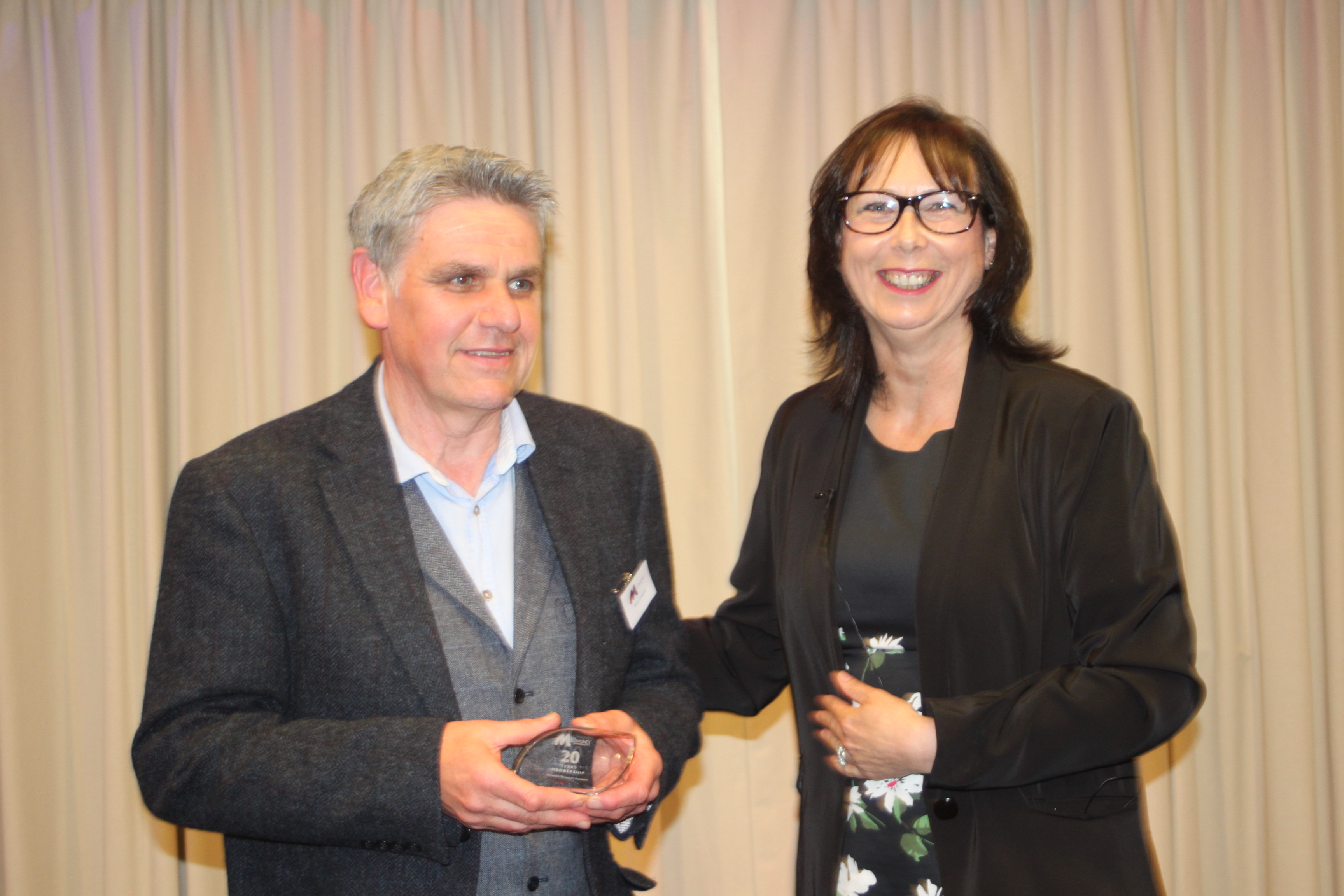
20 Years at the Bench

Brian Livingston, Chiropractor at The Lismore Clinic, has received an award for 20 years service, by the McTimony Chiropractic Association. Brian trained at the McTimoney College of Chiropractic in Oxford, and worked in a very busy clinic in the UK for 9 years. On moving to Ireland in 2004, he spent a couple of years working at The Lismore Holistic Centre, before joining the team at The Lismore Clinic in 2006. Since then he has used his vast knowledge and extensive experience in the treatment of musculoskeletal problems, to help many people, both from the local area and those who travel from a miles away to see him, based on his excellent reputation.
McTimoney chiropractic was developed by a chiropractor called John McTimoney in the 1950s. He pioneered a new technique for adjusting the bones which consists of an extremely light, fast and usually painless movement. The adjustment encourages the bone to return to its correct alignment without forcing it or stressing the joint.Like osteopathy and other forms of chiropractic, McTimony helps to correct misalignment of the joints due to injuries, strenuous exercise, overuse of certain joints or muscles, poor posture, or degenerative diseases such as arthritis.  However, there is no violent manipulation involved and the treatment is suitable for people of all ages, including the elderly and young children.

Joints which move out of their correct position will often cause the surrounding muscles to go into spasm in an attempt to protect the joint against further damage, and to hold the body in the most ergonomic position possible. A shift in one part of the body will usually lead to a compensatory shift elsewhere in order to maintain balance.  For example, a tilted pelvis will often result in a curve in the upper spine, while a deviation of the knee joint will cause pressure and pain in the ankle joint.  The muscles around the site of compensation are also likely to tense up and this too can cause problems.Muscles which are in spasm become irritated and inflamed, leading to pain and stiffness.

Either the muscles or the misaligned bones themselves may also pinch the nerves or blood vessels in the surrounding areas, leading to problems such as carpal tunnel syndrome, sciatica and headaches. McTimony chiropractic can help to relieve problems affecting the muscles and other soft tissues around the joints, as well as misalignment of the bones themselves.Orthodox treatment for musculoskeletal problems such as arthritis and injuries usually consists of analgesic and anti-inflammatory drugs. These can be very helpful for managing severe pain in the short term. However, they do not address the underlying cause of the pain, may be associated with side effects such as gastritis and stomach ulcers if used long term. In severe cases, surgery may be offered. However, most people consider this to be a last resort.

McTimony chiropractic can help to reduce the need for analgesic and anti-inflammatory drugs, and in some cases surgery may be avoided altogether. Brian Livingston, chiropractor at The Lismore Clinic says that, “the number of treatments needed varies depending on the nature and duration of the problem.  A recent injury will generally heal more quickly than a long-standing problem, but typically people need between two and six sessions.” The most common problems that Brian treats on a regular basis include back, neck and joint pain, injuries, tension headaches and sciatica. “I also use other techniques including massage to relax the muscles and specific exercises to help maintain the adjustment,” he adds.

For more information about McTimoney Chiropractic you can contact Brian Livingston D.C. MMCA, on 087 783 8967